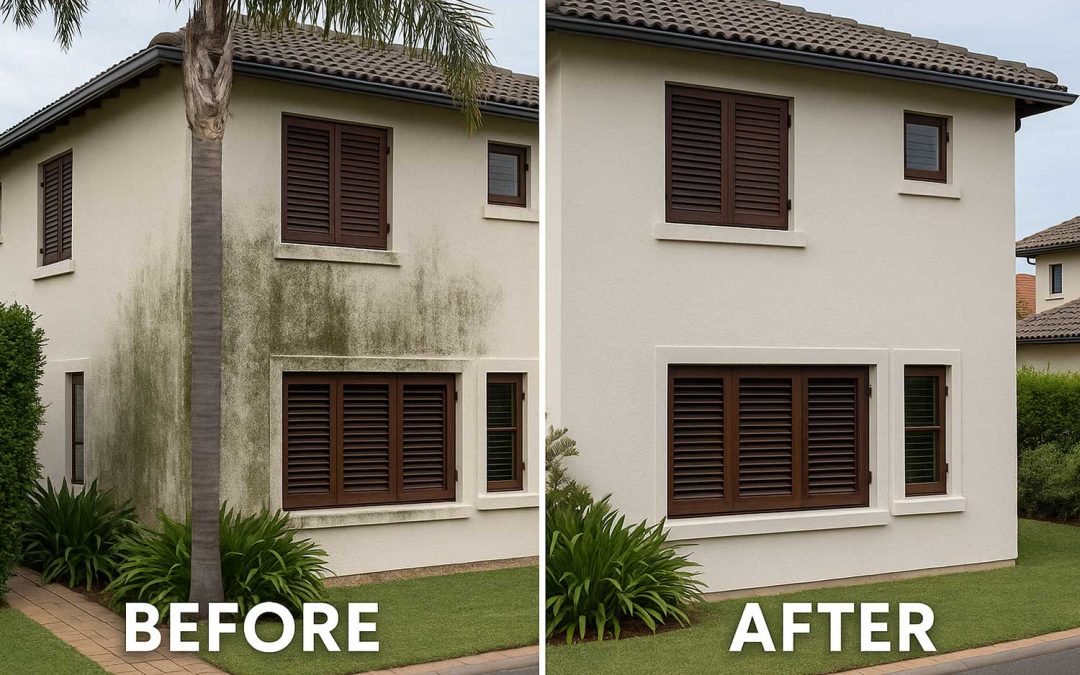
At MouldBusters, we specialise in mould prevention and mould remediation, helping property owners stay ahead of potential issues.
Here’s how you can protect your space from mould growth.
1. Control indoor humidity levels
Humidity plays a major role in mould development. To prevent excess moisture:
- Keep indoor humidity between 30-50% using dehumidifiers or air conditioners.
- Ventilate rooms by opening windows or using exhaust fans, especially in kitchens and bathrooms.
- Avoid drying clothes indoors, as this increases indoor moisture.
2. Check for condensation and leaks
With temperature shifts, condensation can form on walls, windows, and ceilings, creating damp spots where mould thrives. To prevent this:
- Wipe away condensation on surfaces daily.
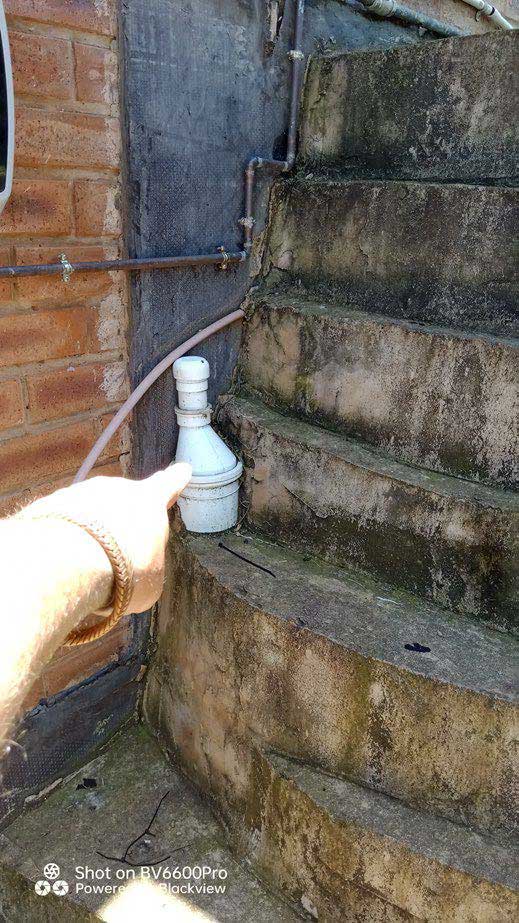
- Inspect roofs, pipes, and gutters for leaks and fix any damage immediately.
- Use moisture-resistant paint in high-humidity areas like bathrooms and basements.
- Waterproofing of relevant areas is essential for the prevention of mould.
3. Improve airflow and ventilation
Poor ventilation can trap moisture indoors, encouraging mould growth. To boost airflow:
- Keep furniture a few inches away from walls to allow air circulation.
- Open doors between rooms to promote airflow.
- Use ceiling fans or portable fans to keep air moving, especially in damp areas.
- Use de-humidifiers in high humidity areas.
- Make use of moisture absorbtion products in cupboards and small spaces.
4. Clean and dry wet areas immediately
Mould can begin growing within 24-48 hours of moisture exposure. Prevent this by:
- Drying bathroom tiles, sinks, and shower curtains after use.
- Cleaning up spills or water leaks as soon as possible.
- Ensuring basements, crawl spaces, and attics remain dry.
- Deal with condensation from appliances such as tumble dryers and dishwashers as well as operational equipment that may cause heat and humidity in commercial buildings.
5. Monitor high-risk areas for mould
Some areas are more prone to mould than others, including:
- Bathrooms and kitchens due to steam and condensation.
- Bathroom and kitchen cabinetry.
- Basements and attics with poor ventilation.
- Windows and door frames where condensation collects.
- Regular inspections can help you catch and remove mould before it spreads.
6. Schedule a professional mould and moisture inspection
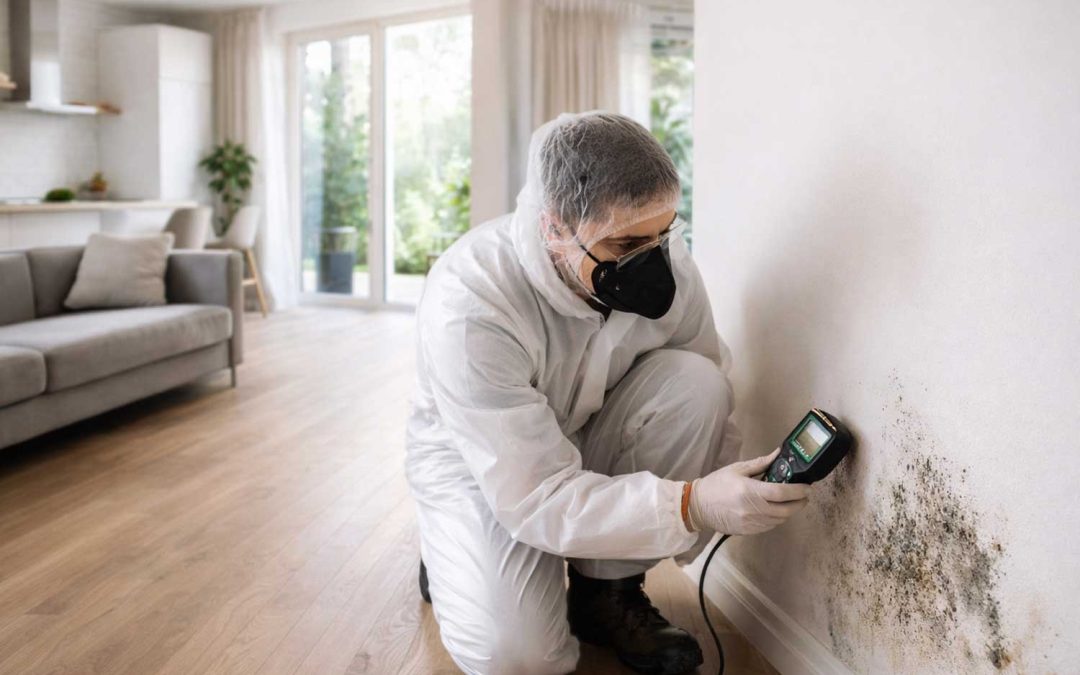
Even with precautions, mould can develop in hidden areas like behind cupboards, wall paper, under carpets, or inside air ducts. A professional mould and moisture inspection can detect unseen issues before they become serious.
At MouldBusters, we use advanced moisture detection tools and industry-approved remediation techniques to ensure your home or business remains mould-free. If you notice musty odours, discoloured walls, or allergy-like symptoms, it’s time for an inspection or to call in a ‘mould buster’ from Mouldbusters for a professional remediation and decontamination.
Be a ‘mould buster’ with MouldBusters
Changing weather can create the perfect environment for mould growth, but with the right precautions, you can keep your property safe.
By managing humidity levels, improving ventilation, and addressing moisture issues early, you can prevent mould from taking hold. Stay proactive and enjoy a healthier indoor environment year-round!
Need expert help? Contact MouldBusters today for professional mould inspection and remediation services and ensure lasting peace of mind and healthy living and working.